

Explore The Impact of Data Centers On Ambulance Districts

The rapid growth of technology and the implementation of artificial intelligence across the public domain have created new opportunities for communities across the country, including communities within Missouri. As demand for cloud computing and data storage increases, data center development in Missouri is becoming an increasingly important part of the state’s economic and infrastructure landscape. While these facilities can bring important investment opportunities, construction activity, and new jobs, they can also create considerable challenges and logistical considerations for local emergency response agencies.

Understanding how data centers affect ambulance districts is essential for community planning. Missouri ambulance districts must consider how large-scale development could affect call volume, staffing, response capabilities, equipment, and overall ambulance district resources. Planning ahead can help ensure that emergency medical service providers in Missouri have reliable access to resources, as well as maintain the required capacity to serve both existing residents and growing commercial developments.
Challenges Data Centers Create for EMS
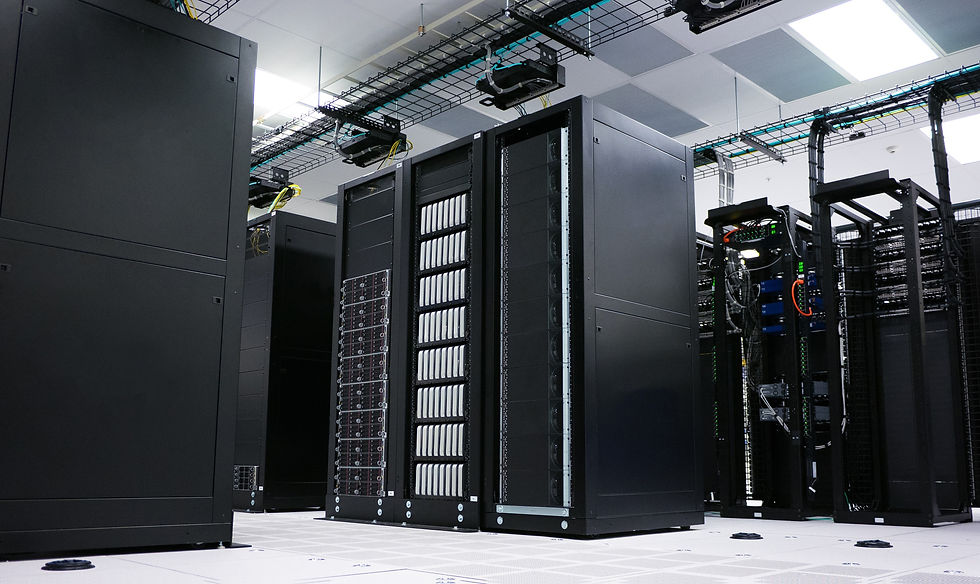
As a common topic in the news and across social platforms, most of the public knows that a data center is a large, highly specialized facility designed to store and manage the data we put online. Although their day-to-day operations may not resemble those of a traditional manufacturing facility, their size, workforce, construction activity, and complex infrastructure can introduce a variety of logistical considerations for local EMS agencies.
For Missouri ambulance districts, staying functional and accessible to residents statewide is our top priority. So, one of the most essential steps we can take to ensure we remain accessible is to understand and identify potential challenges data centers can create for EMS providers.
EMS staffing challenges
Since many ambulance districts and EMS agencies are already struggling with taking on and maintaining proper staff levels, the potential effect of a large-scale development exacerbating the existing staffing challenge is a significant consideration.
A major data center project can bring in an influx of construction workforce to the affected communities during the development phase, as well as an extensive workforce of contractors, employees, and service providers once the data center becomes operational. Even if the employee population at these facilities varies throughout the year, it is still the responsibility of the local ambulance district to maintain enough staff to best serve residents.
Keeping this in mind, the construction and property management teams of these facilities may need to cooperate directly with local EMS personnel. In the event of an emergency, EMS personnel will need to know and understand the layout of the site and how to access different areas in a timely manner; they may need to be given a greater scope of special access to these facilities before they become operational.
These considerations also directly play into essential workforce and resource planning for the entire ambulance district.
Places stress on ambulance district resources
Large developments can place additional demands on essential ambulance district resources. Due to the sheer number of people who will be working in these data facilities, ambulance districts will need to set aside additional resources that some communities may not readily have on-hand.

In the event of an emergency, all of these resources need to be readily available:
Ambulances
Necessary medical equipment
Qualified personnel
Communication systems
Dispatching an ambulance to a data center or a nearby construction site may leave it unavailable to respond to another emergency elsewhere in the district. If multiple calls occur at the same time, this can place additional pressure on neighboring agencies and mutual-aid resources.
Data centers may also require tailored emergency response plans that account for their physical size and specialized infrastructure. Ambulance districts may need to become familiar with key facility access points, employee entrances, security procedures, evacuation routes, and also be able to locate where an injured or ill person may be found within the facility. These considerations highlight the importance of including data center infrastructure in emergency planning discussions prior to the start of facility operations.
Missouri EMS Response to Data Centers
To be effective, EMS agencies should develop their response strategies for data centers long before an emergency occurs. As data centers continue to pop up in Missouri and across the Midwest, Missouri ambulance districts can benefit from establishing open lines of communication with data center developers and facility operators early in the planning and construction stages. Facilitating a collaborative relationship with the facility management team and local EMS agencies provides first responders with a crucial opportunity to familiarize themselves with the facility and identify potential adjustments to their data center emergency response strategy.
Once a facility is operational, communication between the facility operators and local EMS providers should remain open. Operators within the data center can provide first responders with timely updates on the following:
Notable shifts in their staff population
Adjustments to the layout of the facility and its access points
Any other relevant changes that would impact emergency response
EMS agencies can use this information to keep their response plans current and ensure all affected individuals receive the required level of care.
Understanding Emergency Response Needs For Data Centers
Every community and facility is different, so emergency response planning should reflect the unique characteristics of the specific development. Ambulance districts may need to evaluate key factors such as the facility’s location, size, workforce, surrounding road network, construction activity, and proximity to other emergency resources. Understanding these factors can help local EMS agencies determine whether their existing response capabilities are appropriate or whether additional planning is necessary.
For example, an ambulance district may need to consider:
How far the facility is from the nearest ambulance station
How quickly EMS crews can access the property
Whether construction or traffic could affect response times
Where ambulances can safely stage
How quickly personnel can enter and navigate the facility
How security procedures could affect timely access for EMS personnel
Whether mutual-aid agencies may be needed
How simultaneous emergencies could affect available resources
Whether additional training or site familiarization would be beneficial
Each of these considerations is a small part of a comprehensive EMS resource and response plan that is tailored to each facility within its area.
Preparing Ambulance Districts For Data Center Growth
As communities evaluate proposed data center developments, local Missouri EMS agencies need a seat at the table alongside other public safety organizations. If communities give ambulance districts a voice during the early stages of the development process, they can communicate their needs and adjust for potential challenges before facing an emergency situation where every second counts. It also gives developers an opportunity to understand how their projects intersect with local emergency services.
This approach can also help residents within these affected communities better understand the delicate relationship between economic development and public safety. Investments in new commercial infrastructure may need to be accompanied by appropriate investments in the emergency services infrastructure that supports the community.
The Importance Of EMS Resource Planning
Effective EMS resource planning is essential as urban and rural Missouri communities continue to expand and attract new industries, such as data center development. Because of this rapid rate of growth, ambulance districts must balance their existing emergency medical needs with the necessary adjustments to accommodate shifts caused by ongoing development, transportation patterns, and major commercial projects.
Data center development is a prime example of why long-term planning matters. A facility may have a relatively small permanent workforce compared with its physical footprint, but its level of activity, location, and operational requirements can still create a range of challenges for local emergency response providers to try to accommodate.
By evaluating these factors early, Missouri EMS agencies can better determine how to maintain adequate coverage and avoid unnecessary strain on available resources.
Supporting Stronger Emergency Medical Services In Missouri
The impact of data centers on ambulance districts is ultimately part of a larger conversation about how communities plan for a drastic jump in their population. As data center development in Missouri continues, local leaders, developers, and public safety agencies should work together to understand what recent developments mean for emergency response.
Clear communication and careful planning can help Missouri ambulance districts get ready for new needs while keeping the excellent service their communities rely on. Data centers represent an important component of modern economic and technological infrastructure. As these facilities become part of more Missouri communities, ensuring that emergency medical services in Missouri have the resources, information, staffing, and planning needed to respond effectively should remain an important consideration.
Have more questions about how the Missouri Ambulance Association is planning to facilitate accommodating the needs of these facilities? Don’t hesitate to contact us today for more information.


Comments